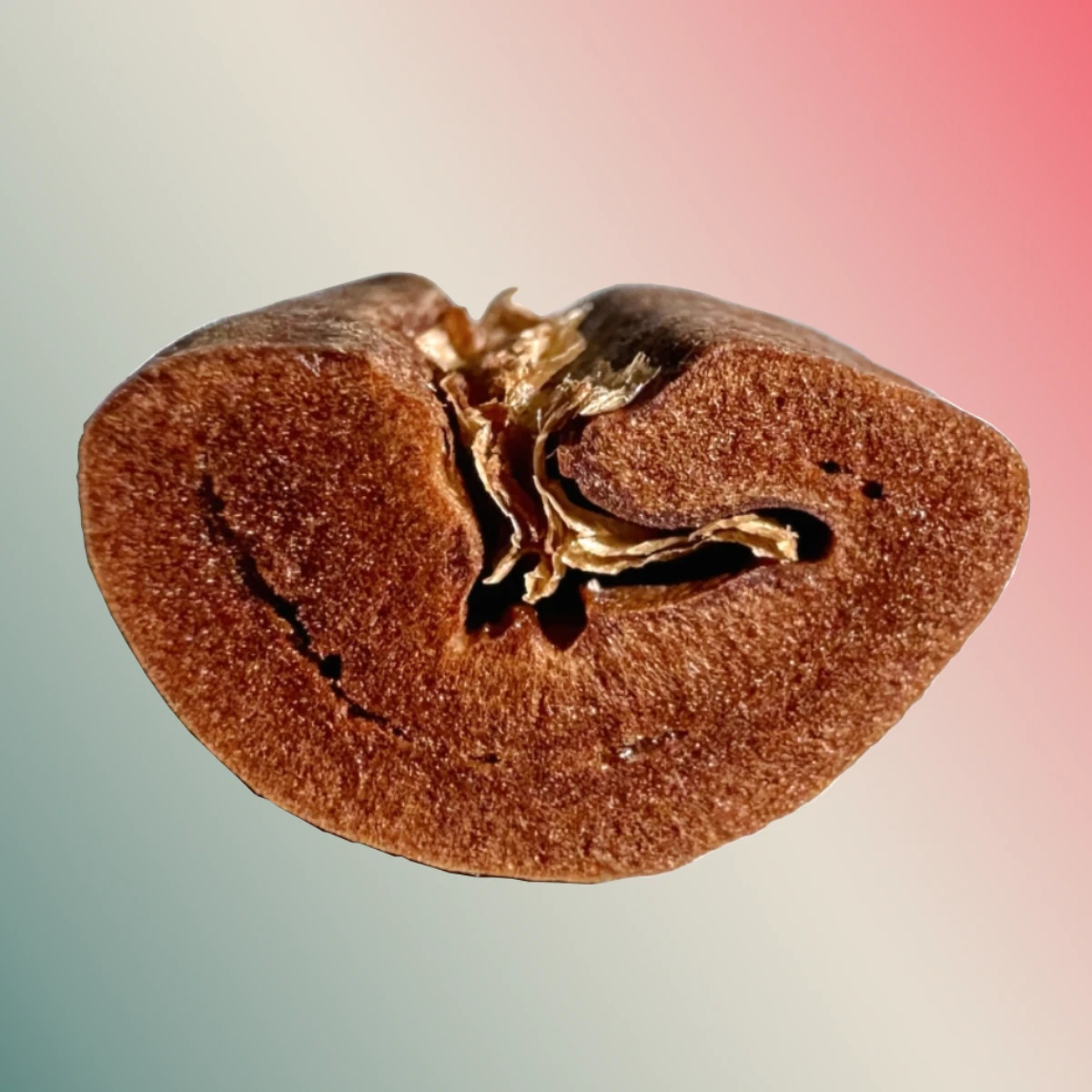
I always loved peruvian geshas (probably my favorite coffee tbh).
Actually, the first “auction grade” green coffee I’ve bought was a washed gesha from Peru.
To me, they always feels like the “prodigal kid with infinite potential but lacks polish” (and can be a bit random at times), where Panama geshas are their “corporate cousin“ – refined, reliable, expensive, and boring (in a sense).
This is kinda my experience with the【 XLIII Peru Palestina washed gesha #5061 】coffee.
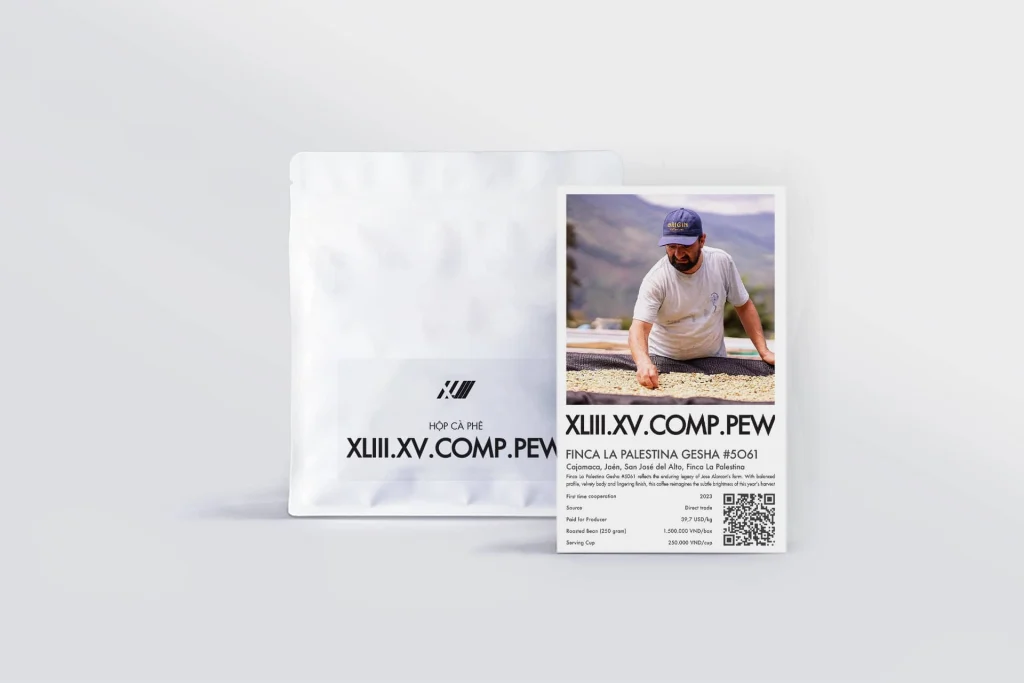
Photo from: XLIII’s official website
BTW, recently I’ve almost abandoned blog writing since it doesn’t quite fit in with my current schedule, and I tend to just embrace posting on Instagram whenever I feel like doing a bit of “non-formal, purely for fun writing”. However, this Peruvian gesha related rant turned out to be much longer than the format allowed for IG posts, so I just figure it’s a sign for me to return to blogging (I guess).
Warning: this post has a bit more coffee roasting-related discussions, if you came purely for the coffee experience/review, here I put up a TLDR first:
Initial brewing attempts yielded results that have tons of sweetness and matcha notes, but also being a “muddier” brew where floral qualities had a hard time coming through.
Interestingly, from the cup I could clearly sense that the delicate, beautiful aroma/flavors are definitely there (so the flavors aren’t roasted out / roasted away), but it just felt like “too much toffee / light caramel” brownish sweetness is occupying center stage, so these other nuanced notes could only retreat back to the corners, existing, but not shining through.
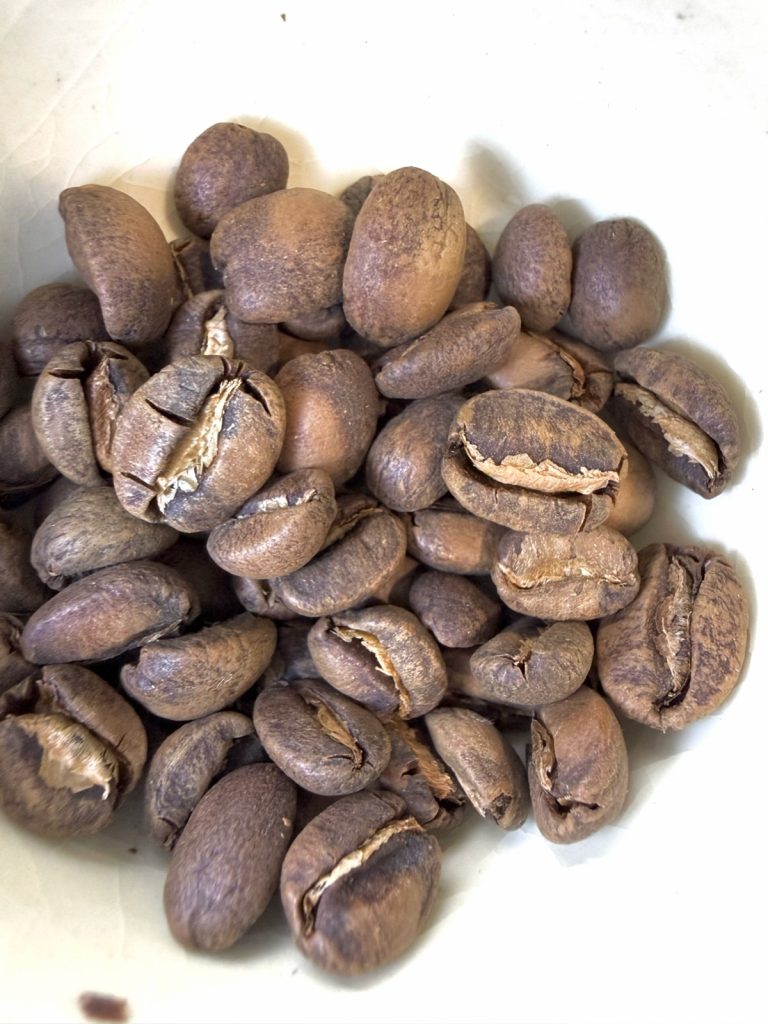
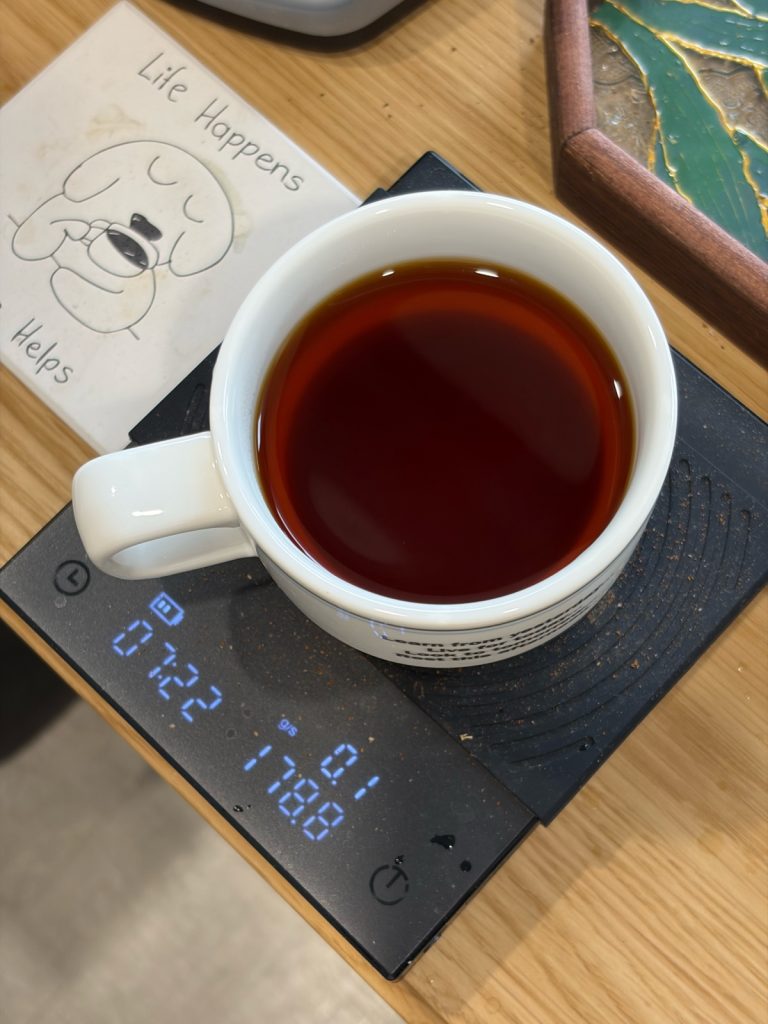
After rethinking and adjusting brew method, the adjusted cup resulted in the best presentation of this coffee I’ve experienced:
- right off the brew, the florals were much, much more defined and “uninterrupted”; Jasmine / honeysuckle / orange jasmine (a small, white flower which the aroma is sweeter than a typical jasmine but possesses less complexity).
- Further cooling towards room temp saw the jasmine & orange jasmine note remained, while the juiciness of the fruits grew: Big, clear notes of citruses (complexity is crazy: mandarin, meyer lemon, bergamot, all the way to red orange), some peachy stone fruit feelings, and the star of this coffee: just-ripen yellow kiwi fruits.
- Heck, even some red berries might had been there within the mix.
- Also, the fruit candy sweetness (the refreshing kind, think berry flavored Ricola but minus the herbal breeze) was truly remarkable and stayed throughout the whole warm to luke warm (near room temp) progression.
- Oh, and this is a 20:1 ratio brew (honestly, tasting like a normal 16:1 ratio V60 ultra-light brew)
Before adjusting, I’m hitting OK cups that stills screams “high quality” but just feels a little bit…masked/muddied.
After adjusting, I can get brews that are much more in line with my personal preference – and this naturally leads us onto the whys and hows of brewing adjustments.
The “why” behind the need to change brew methods
Although I find XLIII’s roast profile my personal favorite nowadays, there are rare occasions that the profiles seems to be slightly “off” – in a sense that the coffee feels “heavier, muddier” (despite still being exceptionally light).
Also, I’ve found that there is somewhat of a trend – washed geshas and pink bourbons are the usual suspect of these kinds of “style shifts”.
And, thanks to knowledge gained from reading @deven.patel411 (Instagram handle) ‘s publication on roasting recently (you can find it here, not for free though and this is not an affiliated link anyhow), I now think this is simply the issue of “extracting too much of the roasted coffee’s structure”.
Or, in another sense, you can say that “some kind of intrinsic qualities of the green coffee shared by washed geshas and washed pink bourbons” has made these coffees more prone to extracting a bit too much of “bean structure-related” flavors when roasting under a system that otherwise gives ultra-clean and clarity-oriented results.
This is actually not a bad thing, especially if you like “light roast but sweet cups”, but, within my experience, I’ve found that this kind of sweetness can mask the more delicate florals and other details that I tend to enjoy in these kind of coffees – and this is my main complain with the results of my first couple tries brewing this bag of Peruvian gesha.
From what I know, XLIII do their roastings under a very strict and consistent roasting system. I’m pretty confident to say that these “style shifts” should mainly be a “green coffee” issue.
And, from my personal roasting journey, I can say for Peruvian geshas, Columbian (and some Panama) geshas, and pink bourbons (especially), this kind of “overly sweet” sweetness development seems to not be uncommon. This also kinda fits the common consensus of “pink bourbons having exceptional sweetness” echoed within the specialty coffee world.
The cause of this phenomenon probably is rooted in two aspects: Genetics of these varieties (altering the actual chemical components of the seeds) and common processing procedures applied onto these coffees (Peruvian producers could have a specific method while processing “washed” coffees, or the climate calls for certain processing steps that could potentially alter the qualities of the seed, especially the “structure (cell walls)” of it).
But that is not my main concern here: I’m just trying to brew this cup of specialty “coffee” into my usual “special-tea” coffee (yes I prefer to drink weak stuff) while still remaining good flavor clarity (so simply adding water to bypass/dilute the overly sweet brew is a no-go).
How I altered the brewing method
Simple. I opted for lower temperatures for the later stages of the brew.
Nothing new, this trick must have been around for like, forever. But the inspiration actually came from watching and tasting my friends brewing using another bag of XLIII coffee ( Nicaragua Mierisch red pacamara washed, which didn’t present this “overly sweet” issue even with my normal brew methods ).
His brew resulted in a cup that was even more like a “special-tea” coffee brew – but also having good flavor intensity and clarity. And from what I saw, the largest difference was probably his choice of using a ceramic V60 – not because V60s are more “clarity-oriented”, but because of the sheer weight of this ceramic brewer in comparison to the amount of brew water he had used.
Since he didn’t really rinsed / preheated the brewer, the ceramic V60 starts out being at around room temperature.
The 95°C brew water extracted the ground with relatively high temperature at the start of the brew (since the 95°C water was poured directly onto the ground coffee), but as we “bloom” and wait, the slurry started to seek temperature equilibrium with the cool ceramic. The total brew called for ~270g of water, and since the ceramic V60 01 brewer typically weighs around 300g and a bit more, the “temperature equilibrium” effect was quite significant, effectively lowering the actual brew / slurry temperature (despite the water used sitting at 95°C).
To mimic this, I decided to vary the kettle temperature while brewing and picked a lightweight plastic brewer (in order to be able to swiftly change the slurry / system temperature while brewing).
Recipe is as follow:
- 10g coffee, rather coarse grind (50% of grind passing through a standard #20 mesh sieve)
- starting at 89°C with a 40ppm brew water (35ppm of it comes solely from me adding in magnesium sulfite, the other 5ppm is by mixing in some tap water for the slight amount of buffering agents)
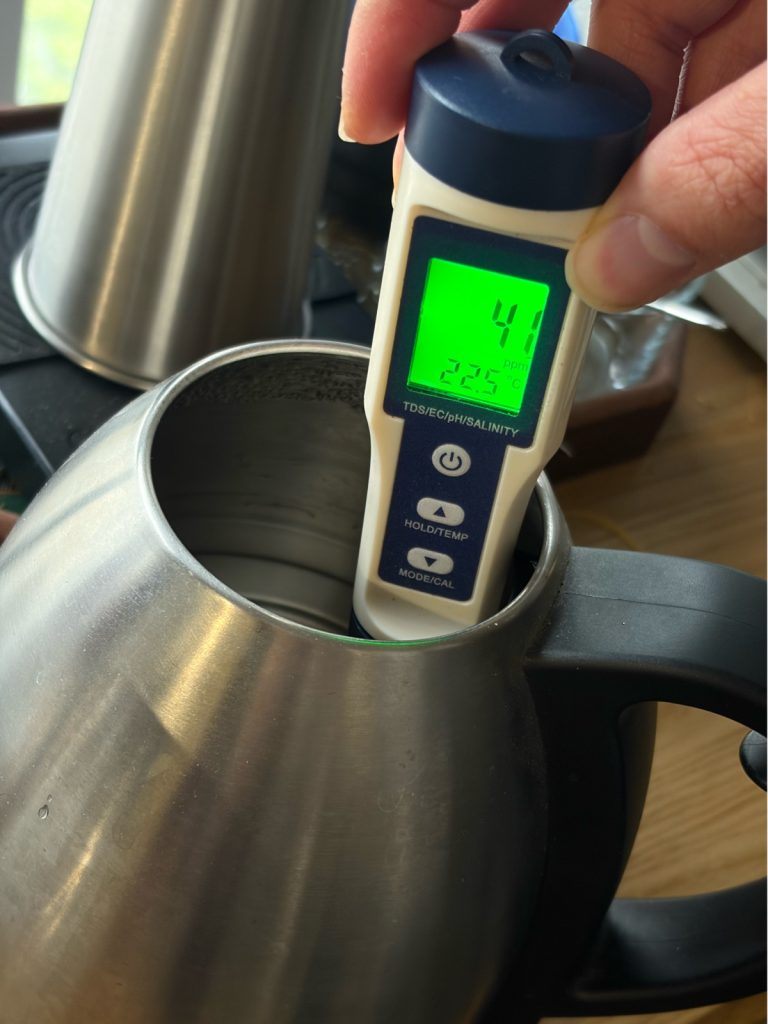
89°C water
– Bloom with 20g for 20s
– Add another 20g @20s
– Add another 30g @40s
Put on my MHW bomber shower screen (I like low agitation brewing)
Add cold brew water to kettle to bring temp down to 75°C
75°C water
– Pour a total of 30g via shower screen starting @1min
(no rules here, just make sure the bed doesn’t dry out, and the waterline within brewer isn’t too high to minimize possible bypass above brew bed)
Add cold brew water again, bring temp down to 60~65°C
65°C water
– Pour a total of 100g via shower screen starting @~1min45s
(same here, just make sure the bed doesn’t dry out, and the waterline within brewer isn’t too high to minimize possible bypass above brew bed)
Total brew time for the bed to run dry will probably be anywhere between 2min45s to 3min45s (depending on the grinder / filter paper combo).
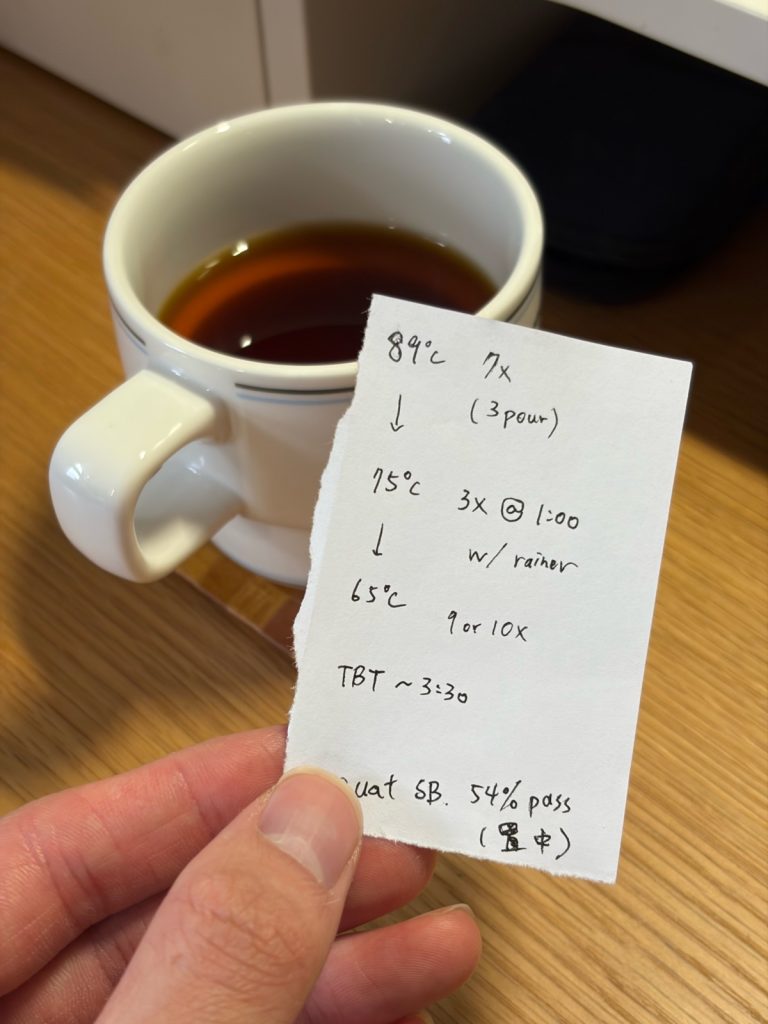
Result
I got my happy cup of “special-tea” coffee with the enjoyable flavors as described above.
Ending Words
This finding and the resulting brew method / concept will probably be my go-to method when encountering one of these “too sweet but still has delicacy” coffees in the future.
Actual reasoning behind “why lowering brew temperature” can diminish the amount of “developed coffee bean structure” extracted / washed out into the cup while still extracting the flavor compounds still remains largely unknown, but that’s something for actual scientists to find out.
For now, I’ll just enjoy my special-tea brews. And, If this writing can help out others that are looking for the same kind of cups, I’ll be pretty happy too.